Clipper numbers and visible length: how to avoid a misunderstanding
If you are not certain what a clipper number means, discuss the intended result before choosing it.
Contact Paul Barber Branch 3 to confirm current availability and arrangements.

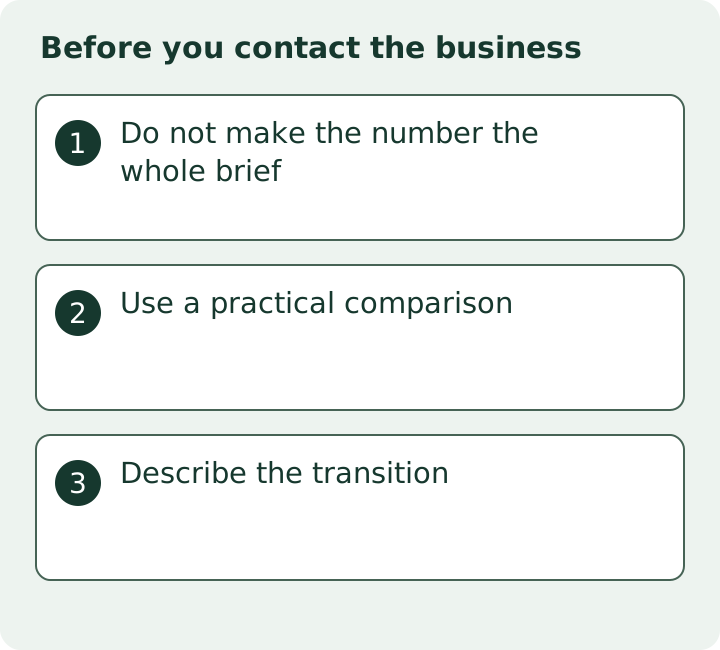
Do not make the number the whole brief
A clipper number is not a complete description of a haircut. The outline, transition, top length and finishing choices still need agreement. If you remember a number from a previous visit but not the equipment or technique, say that. Ask the provider to explain the intended visible length instead of assuming that every remembered number will recreate the same result.
Use a practical comparison
A recent photograph of your own haircut is often a useful discussion aid. Explain which stage you liked: immediately after the cut or after it had grown for a while. Point out how much of the scalp or outline you want visible, and ask what can be achieved with your current starting point. Avoid turning an edited photograph into a measurement or a guaranteed outcome.

Describe the transition
Explain where you want the shorter area to begin and how it should connect with the rest of the hair. Confirm the neckline, around the ears and any length that needs preserving. If the terminology is unfamiliar, use plain language and a reference rather than selecting several trend names that might conflict. Ask for clarification before a major amount of length is removed.
Make a reference for the next visit
When you find a result you like, keep your own photograph and a short note of the agreed approach. Remember that appearance can change with styling, growth and the condition of your hair. Contact Paul Barber Branch 3 to confirm the requested service and current arrangements; this article does not publish a universal clipper conversion table or claim that the business uses a particular brand of equipment.
Frequently asked questions
Does a clipper number describe the whole haircut?
No. The tool and guard are only part of the result. Confirm length, transitions and the outline using clear references.
What if I am unsure how short to go?
Say so before cutting starts. Agree an approach and check the intended length rather than guessing a number.
Continue planning
- Explaining a fade or taper without relying on the name alone
- Planning a beard-shape consultation: length, outline and upkeep
- A simpler short-hair styling routine: questions for your next visit
- Planning a haircut before an occasion without last-minute assumptions
All guides · Business sources and image credits · Privacy choices